
Complex Shift Logic Requires Specialized Tools
9-Speed Transmissions in Manor for vehicles that refuse to shift past fourth gear, experience rough engagement, or display transmission warning messages
Nine-speed units feature complex solenoid sequencing and adaptive shift logic that demands transmission-specific scan tools and pressure analysis to identify solenoid, converter clutch, or internal component failure before recommending rebuild. Lafayette Drive Train Specialist specializes in 9-speed transmission diagnostics and repair in Manor, accessing live pressure data and transmission control module parameters to confirm whether electrical or mechanical repair applies. Newer domestic trucks and SUVs in central Texas commonly feature nine-speed units, and proper diagnosis prevents unnecessary rebuilds when fluid exchange or targeted solenoid service resolves shifting hesitation.
Technicians monitor solenoid response across all nine forward gears during test drives, measuring apply times and pressure stability to isolate whether a single solenoid bank failure or internal clutch wear causes your shifting concern. Scan data reveals adaptive learning limits, showing how far the transmission control module has adjusted shift points to compensate for component degradation over time.
Arrange an on-site diagnostic evaluation to determine whether your nine-speed needs electrical repair or internal component replacement based on pressure test results.
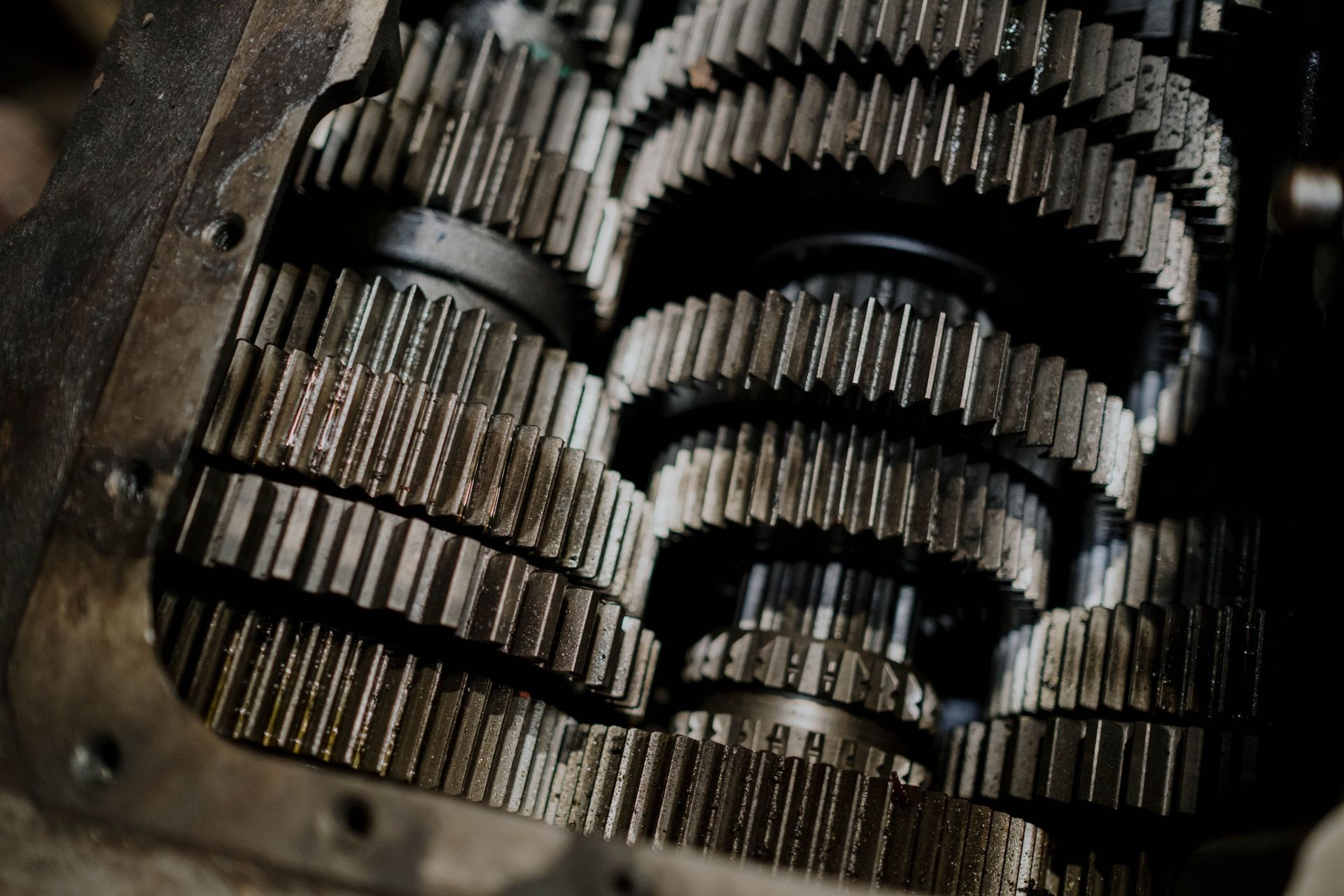

How Nine-Speed Diagnostics Prevent Wasted Rebuilds
Nine-speed transmissions use more solenoid banks than earlier designs, and Lafayette Drive Train Specialist tests each bank individually to confirm which components function within specification and which fall outside acceptable response times. Pressure transducers measure hydraulic flow to each clutch pack, revealing whether valve body passages are restricted or internal seals have failed.
After completing the repair, your transmission shifts through all nine gears without hesitation or limp-mode activation, and warning messages tied to transmission faults clear from the instrument cluster. You'll notice smoother acceleration and elimination of the clunk or delay that previously occurred during gear changes, particularly when merging or climbing grades.
Nine-speed service often includes valve body cleaning and solenoid replacement when fluid contamination has caused internal restrictions, but full rebuild only happens when pressure testing confirms clutch pack wear or hard part damage that cannot be resolved through component-level service.
Answers to Frequent Service Questions
Nine-speed transmission repair raises questions about diagnostic precision and cost, and property owners in Manor typically ask these before scheduling service.
What makes nine-speed transmissions different from earlier designs?
Nine-speed units pack more gear ratios into the same housing size, requiring tighter solenoid timing and more complex shift sequencing that demands scan tools capable of monitoring multiple pressure channels and solenoid banks simultaneously during diagnostic testing.
How much does it cost to fix a nine-speed transmission?
Solenoid service or valve body reconditioning costs significantly less than full internal rebuild, which is why pressure analysis happens before teardown to confirm whether your specific nine-speed needs targeted repair or complete overhaul based on measurable component wear.
When should nine-speed transmission fluid be changed?
Fluid exchange intervals vary by manufacturer, but vehicles operated in stop-and-go traffic around Manor and Kyle benefit from service every sixty thousand miles to prevent varnish buildup on solenoid screens and valve body surfaces where restricted flow causes shift quality degradation.
What credentials should I look for in a nine-speed transmission shop?
Look for shops with transmission-specific scan tools that access live solenoid data and pressure readings, written warranties on repair work, and technicians who provide detailed reports showing actual test results rather than generic estimates based on mileage or symptoms alone.
How long does nine-speed transmission repair take?
Diagnostic testing completes within two hours, solenoid replacement or fluid service finishes in one day, and full rebuild requiring internal component replacement takes five to seven days depending on parts availability and the extent of wear discovered during disassembly.
Lafayette Drive Train Specialist provides written warranties on 9-speed transmission repairs with digital inspection reports documenting solenoid response, fluid condition, and post-repair shift quality verification, so you understand what failed and what the repair addressed. Schedule a pressure test to confirm whether solenoid service or internal work applies to your nine-speed shifting issue.