
Four-Wheel Drive Systems That Engage Reliably
Transfer Cases in Manor for four-wheel-drive and all-wheel-drive vehicles showing engagement failures, fluid leaks, or grinding during mode shifts
Four-wheel-drive vehicles common throughout the Austin metro area rely on transfer cases to distribute power between front and rear axles, but worn seals and contaminated fluid cause engagement problems that leave you stuck in two-wheel drive when you need traction. Your transfer case needs service when you hear grinding while shifting between drive modes, see fluid pooling under the center of your vehicle, or find that four-wheel drive won't engage when selected. Lafayette Drive Train Specialist diagnoses and services transfer cases with fluid replacement, seal inspection, and engagement testing that verify proper power distribution before problems strand you.
Transfer case service includes draining old fluid, inspecting seals and gaskets for leaks, testing the engagement mechanism that shifts between two-wheel and four-wheel drive modes, and verifying that mode selection operates correctly under load. Repair work addresses internal wear or external seal failures after diagnostic testing confirms the failure source.
Request a transfer case inspection to assess fluid condition and engagement function before wear leads to complete system failure.
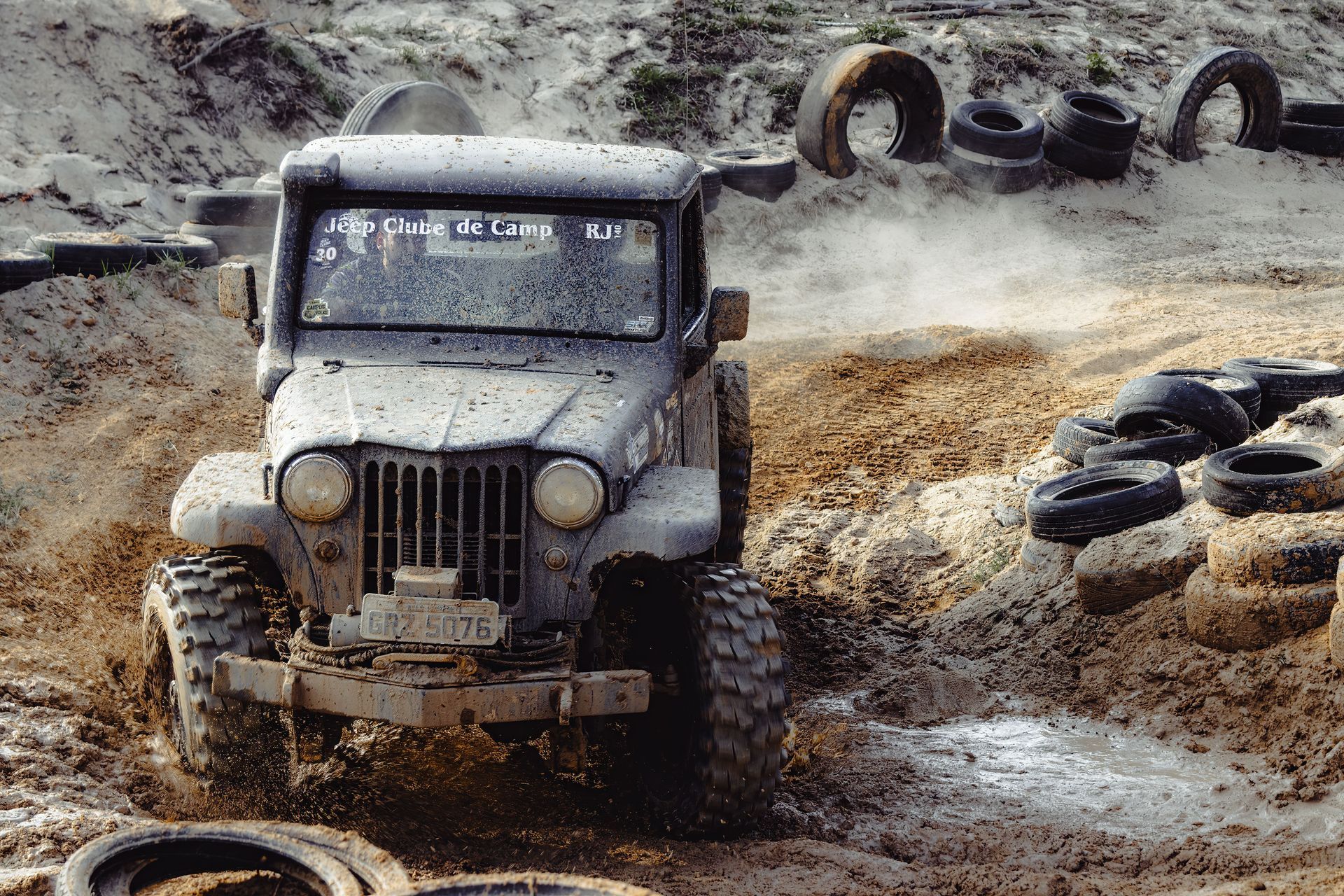

What Changes After Transfer Case Service
The service process tests engagement mechanism function through all drive modes and replaces fluid with the correct specification for your transfer case design, which varies significantly between chain-driven and gear-driven units. Diagnostic equipment confirms that the transfer case is distributing power correctly to both axles rather than slipping or binding.
After service, your four-wheel drive engages smoothly without grinding or hesitation when you select the mode, and the transfer case operates quietly without the whining or clunking sounds that develop when internal components wear or fluid breaks down. You'll also notice that mode shifts happen predictably, and the system holds the selected drive mode consistently during acceleration and cornering.
Seal replacement during service stops external leaks that would otherwise allow fluid level to drop below the minimum needed for proper lubrication. The work verifies that engagement actuators and shift forks move through their full range of motion, which determines whether electronic or mechanical controls are functioning correctly.
Common Questions About Transfer Case Work
Transfer case issues often create confusion because symptoms overlap with transmission and differential problems, leading owners to ask specific questions about diagnosis and repair.
What does a transfer case actually do in my four-wheel-drive vehicle?
The transfer case receives power from the transmission and splits it between the front and rear driveshafts, allowing you to select two-wheel drive for normal driving or four-wheel drive when you need traction on both axles.
How does driving in Manor and the surrounding Austin area affect transfer case wear?
Mixed urban and rural driving with frequent mode changes between two-wheel and four-wheel drive accelerates engagement mechanism wear, while highway driving in one mode creates less stress on shift components.
Why would my transfer case leak fluid if I'm not using four-wheel drive regularly?
Seals dry out and crack when the transfer case sits unused for extended periods, and even in two-wheel drive mode the transfer case input shaft spins constantly, which can force fluid past compromised seals.
When should I service transfer case fluid if I don't notice any problems?
Fluid inspection every 50,000 miles allows technicians to check for metal particles and moisture contamination, though vehicles used for off-road driving or towing need more frequent service intervals.
What's the difference between transfer case service and transfer case repair?
Service involves fluid replacement, seal inspection, and engagement testing on a functioning unit, while repair addresses internal component wear, broken shift forks, or failed actuators identified through diagnostic testing.
Written warranty backs all transfer case service and repair work performed by Lafayette Drive Train Specialist. Schedule a diagnostic appointment to determine whether your transfer case needs fluid service or component repair based on current symptoms and inspection findings.